









How Rolex Watches Are Made
Rolex is one of the world’s best-known watch brands and is easily seen as one of the higher luxury timepieces. Everyone knows the brand name and the iconic watches, but because Rolex is so notoriously famous for being secretive about their models and operations not many people know how they make their watches.
Knowing about the brand and how Rolex makes watches is important to know how and why these timepieces are so luxurious. So, we’ve put together this guide to show exactly what process Rolex takes to manufacture their watches, what materials they use and more.
Rolex Watches
A Brief History Of Rolex
Rolex is an extremely recognisable luxury watch brand and the high quality of their prod-ucts is why they are so renowned. Founded in 1905 as Wilsdorf and Davis by Hans Wilsdorf and Alfred Davies in London, the company registered Rolex as the brand name of its watches in 1908 and became Rolex Watch Co. LTD in 1915.
Since establishing themselves as a brand, the British-founded watch designer brand has been creating iconic Rolex timepieces with stunning designs that are robust, sturdy and reliable. Their success began when Rolex introduced innovative materials and designs. With receiv-ing a chronometer certification in 1914, coining the first water-resistant watch in 1927 and the first automatic winding watch a couple of years later.
Rolex watches are a staple of luxury and even today the success of Rolex continues, with it being the go-to watch for professionals and celebrities at high-end events. To learn more, check out our guide to The History of Rolex.
Since establishing themselves as a brand, the British-founded watch designer brand has been creating iconic Rolex timepieces with stunning designs that are robust, sturdy and reliable. Their success began when Rolex introduced innovative materials and designs. With receiv-ing a chronometer certification in 1914, coining the first water-resistant watch in 1927 and the first automatic winding watch a couple of years later.
Rolex watches are a staple of luxury and even today the success of Rolex continues, with it being the go-to watch for professionals and celebrities at high-end events. To learn more, check out our guide to The History of Rolex.
Where Are Rolex Watches Made?
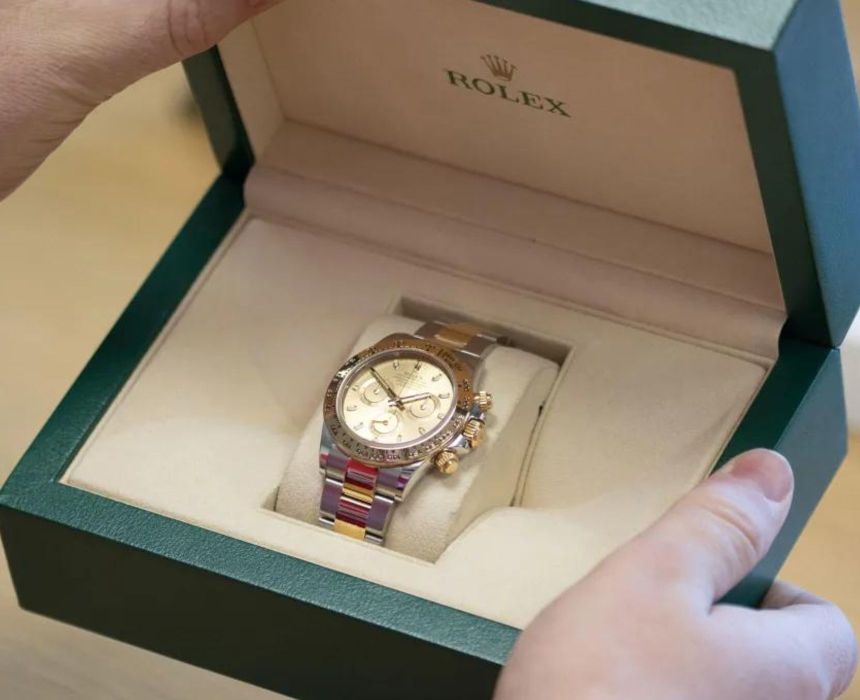
Rolex watches are made in Switzerland, where they have a couple of sites including Les Acacias, Bienne, Plan-les-Ouates, and Chêne-Bourg.
Les Acacias in Geneva, Switzerland, is Rolex’s international headquarters and was built in 1965 with the brand's trademark green outside. Inside, brand management, research, devel-opment, design, communications, sales, final assembly of parts and quality control happens all here. This is to ensure each watch is perfectly crafted to Rolex’s high standards.
In Bienne, Switzerland, Rolex uses this site to produce the precise movements and pieces of the Rolex watch. More than 2,000 people are engaged in the manufacture and assembly of hundreds of components that it takes to make a Rolex watch.
Plan-les-Ouates in Geneva is in charge of developing and producing quality cases and brace-lets to make a Rolex watch. This site is the biggest of the four Rolex facilities and six of its eleven storeys are underground for security. This site includes labs with steel machinery, a gold foundry, technical equipment, and even top-rated scientists.
Chêne-Bourg houses all the dial and gem-setting in Switzerland. With professional jewellers to finish making the Rolex watch, they are then hand polished and ready for testing.
Les Acacias in Geneva, Switzerland, is Rolex’s international headquarters and was built in 1965 with the brand's trademark green outside. Inside, brand management, research, devel-opment, design, communications, sales, final assembly of parts and quality control happens all here. This is to ensure each watch is perfectly crafted to Rolex’s high standards.
In Bienne, Switzerland, Rolex uses this site to produce the precise movements and pieces of the Rolex watch. More than 2,000 people are engaged in the manufacture and assembly of hundreds of components that it takes to make a Rolex watch.
Plan-les-Ouates in Geneva is in charge of developing and producing quality cases and brace-lets to make a Rolex watch. This site is the biggest of the four Rolex facilities and six of its eleven storeys are underground for security. This site includes labs with steel machinery, a gold foundry, technical equipment, and even top-rated scientists.
Chêne-Bourg houses all the dial and gem-setting in Switzerland. With professional jewellers to finish making the Rolex watch, they are then hand polished and ready for testing.
Rolex Production Process
With Rolex having multiple facilities it seems like a lot goes into making a Rolex watch, let’s dive deep into the processes of how exactly they are made and what Rolex do to produce a watch.
Rolex Uses A Higher Grade Steel
Most watches are made from stainless steel and Rolex used to use the steel that most com-panies use which is called 316L but in 2003 they moved to a different higher grade called 904L. This is because this higher grade steel has more of an aesthetic quality and is more luxurious for their brand, but to make the steel they have to use a more expensive and difficult-to-use machine with all kinds of special tools and skills.
Compared to the 316L steel, the 904L steel that Rolex is more rust and corrosion-resistant and is harder than others. And the main selling point of this steel is it takes and holds polish in-credibly well.
Rolex Has Their Own Science Lab
Not only does making their higher grade steel take a higher skill set and expensive tools, but Rolex also has an internal Research & Development apartment. And as Rolex watchmaking goes, they have several other different types of well-equipped science labs where professionals research new watches, aspects that go into watches, and to research more effective and efficient techniques that Rolex can use to manufacture watches.
From a chemistry lab with highly trained scientists for developing and researching oils and lubricants to use in machines to make a Rolex watch, to a lab with electron microscopes and gas spectrometers. There they can examine metals and other materials to improve the machin-ing and manufacturing of a Rolex watch.
Rolex doesn’t just use their labs for the process, but on the finished watches themselves. Before going to the public, Rolex watches are entered into the stress test room where watch movements, bracelets, and cases are assessed in wear and abuse machines and robots for qual-ity assurance. Think we can all say that Rolex watches are made with extreme precision and know that you are getting a top-of-the-market product.
Rolex Uses A Higher Grade Steel
Most watches are made from stainless steel and Rolex used to use the steel that most com-panies use which is called 316L but in 2003 they moved to a different higher grade called 904L. This is because this higher grade steel has more of an aesthetic quality and is more luxurious for their brand, but to make the steel they have to use a more expensive and difficult-to-use machine with all kinds of special tools and skills.
Compared to the 316L steel, the 904L steel that Rolex is more rust and corrosion-resistant and is harder than others. And the main selling point of this steel is it takes and holds polish in-credibly well.
Rolex Has Their Own Science Lab
Not only does making their higher grade steel take a higher skill set and expensive tools, but Rolex also has an internal Research & Development apartment. And as Rolex watchmaking goes, they have several other different types of well-equipped science labs where professionals research new watches, aspects that go into watches, and to research more effective and efficient techniques that Rolex can use to manufacture watches.
From a chemistry lab with highly trained scientists for developing and researching oils and lubricants to use in machines to make a Rolex watch, to a lab with electron microscopes and gas spectrometers. There they can examine metals and other materials to improve the machin-ing and manufacturing of a Rolex watch.
Rolex doesn’t just use their labs for the process, but on the finished watches themselves. Before going to the public, Rolex watches are entered into the stress test room where watch movements, bracelets, and cases are assessed in wear and abuse machines and robots for qual-ity assurance. Think we can all say that Rolex watches are made with extreme precision and know that you are getting a top-of-the-market product.
Rolex Watches Are Hand-Assembled
It’s a common misconception that watches are built by machines and robots. But Rolex watches and their movements are all hand-assembled and evaluated by skilled engineers. The Rolex watchmakers do use machines in the process, but they are largely human operated.
They use machines to help with applying the right pressure when attaching pins, aligning parts and pressing down the hands, but Rolex watches and movements are all assembled by professionals and even the hands are set by trained technicians. During the making of a Rolex watch, they are also checked, re-checked and tested to ensure that the quality of the watch is up to Rolex standards.
Rolex Makes Its Own Gold
Rolex doesn’t only make its own steel, but they have an in-house foundry that makes all its gold and platinum. Rolex takes 24k gold and turns it into 18k yellow, white or even Rolex’s Everose gold. This is done by using large kilns under hot flames to melt and mix the metals which Rolex use to make the watch cases and bracelets. Because Rolex make their own gold, they are able to ensure the quality and that the watch parts made are the best standard possi-ble.
Rolex Is High On Quality
From their quality and precision to making a Rolex watch, to their stores where they have bouncers at the door and ‘no photography’ signs, Rolex is clear on the quality of security. This can even be seen within their manufacturing site. With all their precious materials, metals and machinery, and even Rolex watches kept on site, the company employs a series of high-quality security checks, and they have a safe located underground.
Employees at Rolex are even required to scan fingerprints to gain access to different areas of the building and each timepiece is photographed and catalogued throughout the making of the Rolex watch.
Rolex is profoundly serious about the quality of products and about safety, and all for a good reason. This is to protect the luxury of their brand name and their watches.
It’s a common misconception that watches are built by machines and robots. But Rolex watches and their movements are all hand-assembled and evaluated by skilled engineers. The Rolex watchmakers do use machines in the process, but they are largely human operated.
They use machines to help with applying the right pressure when attaching pins, aligning parts and pressing down the hands, but Rolex watches and movements are all assembled by professionals and even the hands are set by trained technicians. During the making of a Rolex watch, they are also checked, re-checked and tested to ensure that the quality of the watch is up to Rolex standards.
Rolex Makes Its Own Gold
Rolex doesn’t only make its own steel, but they have an in-house foundry that makes all its gold and platinum. Rolex takes 24k gold and turns it into 18k yellow, white or even Rolex’s Everose gold. This is done by using large kilns under hot flames to melt and mix the metals which Rolex use to make the watch cases and bracelets. Because Rolex make their own gold, they are able to ensure the quality and that the watch parts made are the best standard possi-ble.
Rolex Is High On Quality
From their quality and precision to making a Rolex watch, to their stores where they have bouncers at the door and ‘no photography’ signs, Rolex is clear on the quality of security. This can even be seen within their manufacturing site. With all their precious materials, metals and machinery, and even Rolex watches kept on site, the company employs a series of high-quality security checks, and they have a safe located underground.
Employees at Rolex are even required to scan fingerprints to gain access to different areas of the building and each timepiece is photographed and catalogued throughout the making of the Rolex watch.
Rolex is profoundly serious about the quality of products and about safety, and all for a good reason. This is to protect the luxury of their brand name and their watches.
Rolex Hand Tests Waterproof Dive Watches
When building Rolex watches they go through all kinds of tests throughout the process. And all Rolex Oyster case watches, which are waterproof, are tested for water resistance in air-pressure tanks.
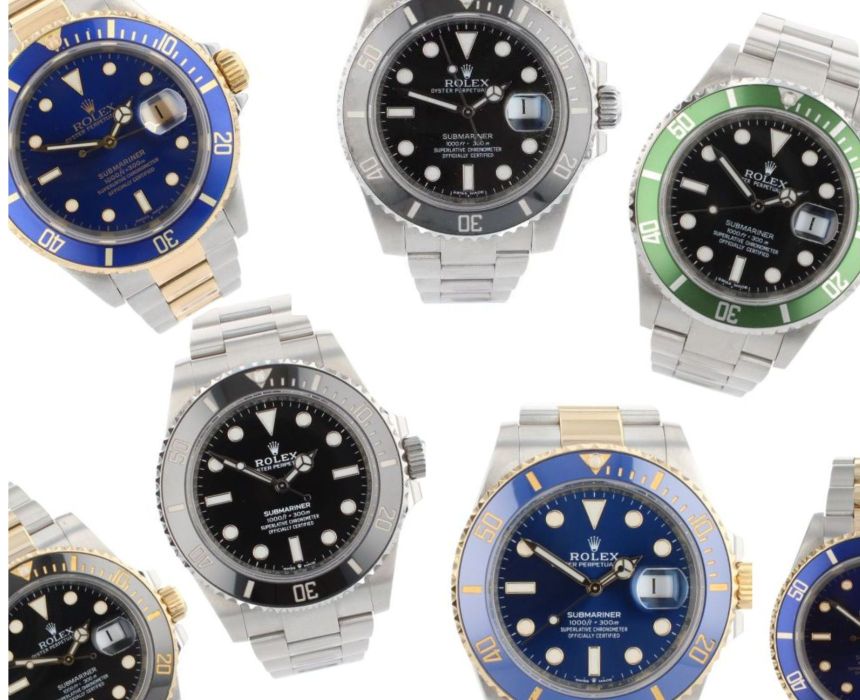
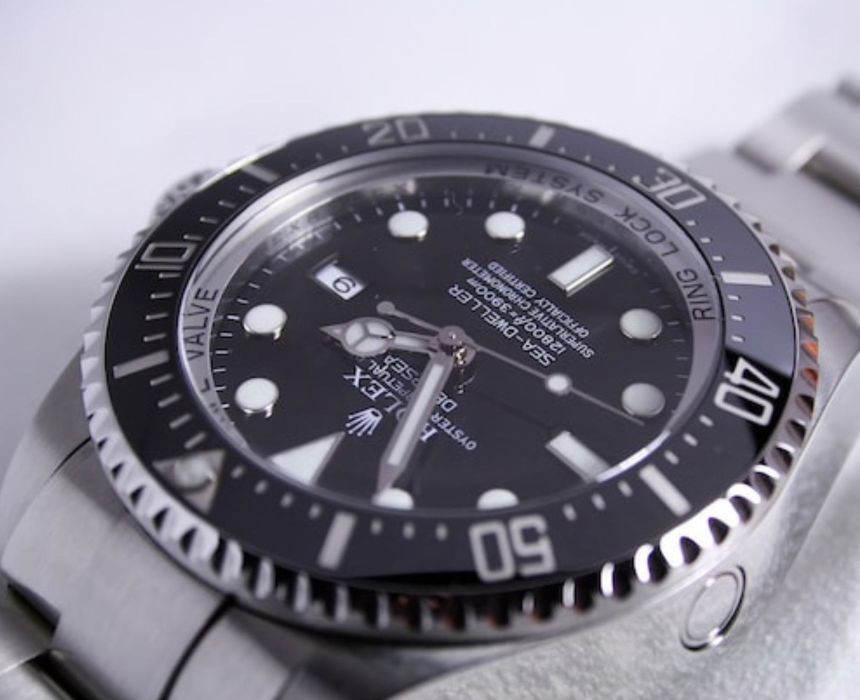
With the Rolex Submariner and Deep Sea watches, they are tested in air pressure tanks and then placed in large tubes filled with water to ensure that they are water resistant. After they exit the tank, they are heated up and then cold water is dropped on top of the crystal to see if condensation forms, then an optical sensor scans for any trace amount of water.
All of these tests, especially for waterproof watches are to ensure the quality of the product before rolling it out into stores. And since the company’s produced waterproof watches, less than a thousand have failed this test. Those that fail then get examined on what manufactural process needs to improve for the future.
Rolex Has Their Own Gemmologists
Rolex have a massive gemmological department where they buy, test, arrange and set di-amonds and other stones when building a Rolex watch.
When you buy a Rolex watch with stones, you know that you are getting the real deal. Rolex checks incoming stones and diamonds to ensure that they are real, with x-rays and other tests. With only 2 out of 20 million diamonds being fake, the real diamonds go through an extensive test to ensure absolute quality. And finally, each precious stone is hand-selected and hand-set by traditional jewellers when making a Rolex watch.
When building Rolex watches they go through all kinds of tests throughout the process. And all Rolex Oyster case watches, which are waterproof, are tested for water resistance in air-pressure tanks.
With the Rolex Submariner and Deep Sea watches, they are tested in air pressure tanks and then placed in large tubes filled with water to ensure that they are water resistant. After they exit the tank, they are heated up and then cold water is dropped on top of the crystal to see if condensation forms, then an optical sensor scans for any trace amount of water.
All of these tests, especially for waterproof watches are to ensure the quality of the product before rolling it out into stores. And since the company’s produced waterproof watches, less than a thousand have failed this test. Those that fail then get examined on what manufactural process needs to improve for the future.
Rolex Has Their Own Gemmologists
Rolex have a massive gemmological department where they buy, test, arrange and set di-amonds and other stones when building a Rolex watch.
When you buy a Rolex watch with stones, you know that you are getting the real deal. Rolex checks incoming stones and diamonds to ensure that they are real, with x-rays and other tests. With only 2 out of 20 million diamonds being fake, the real diamonds go through an extensive test to ensure absolute quality. And finally, each precious stone is hand-selected and hand-set by traditional jewellers when making a Rolex watch.
What Are Rolex Watches Made Of?
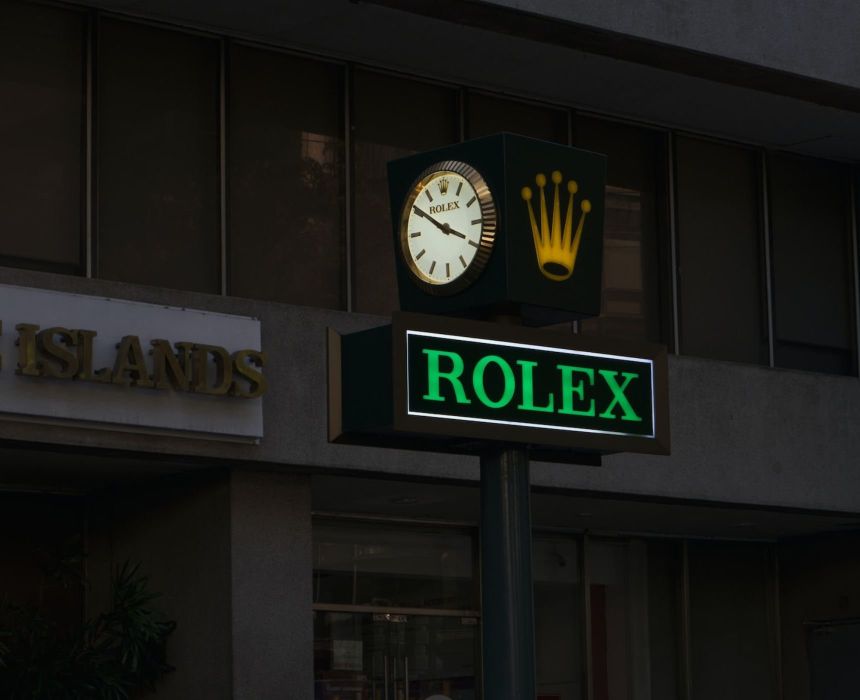
As we’ve seen it takes a long time and a lengthy process to manufacture a Rolex watch. But what are they made of? Well, precious metals, stainless steel, ceramic, mother of pearl and gemstones are the foundations of watchmaking, and Rolex tends to make everything in-house, even the materials they use. The specifics are kept secret because Rolex doesn’t want everyone to build a Rolex watch, but the properties of Rolex materials are well-known.
Oystersteel
As stated before, Rolex uses a higher grade of steel, called 904L stainless steel to make a Rolex watch. Belonging to the 904L family, Oystersteel, a steel alloy specific to the brand, this steel is particularly resistant to corrosion and holds polish very well. These steels are commonly used in high-tech, aerospace and chemical industries.
Gold
Rolex exclusively uses 18k gold, composed of 75% of pure gold plus mixtures of silver and copper to produce different colours including yellow, white, and Everose. Their gold is made in-house so they can guarantee a peerless, enchanting radiance in their Rolex gold watches.
Platinum
Platinum is scarce and is considered the most exclusive among precious metals. Rolex uses a Platinum 950 alloy to make a Rolex watch, this means that the material is 95% pure platinum. Mixed with ruthenium, a Rolex watch is not only robust but also harder and shinier. They also combine platinum 950 with Oystersteel, which creates Rolesium, and it’s seen in their Rolex Yacht-Master series.
Rolesor
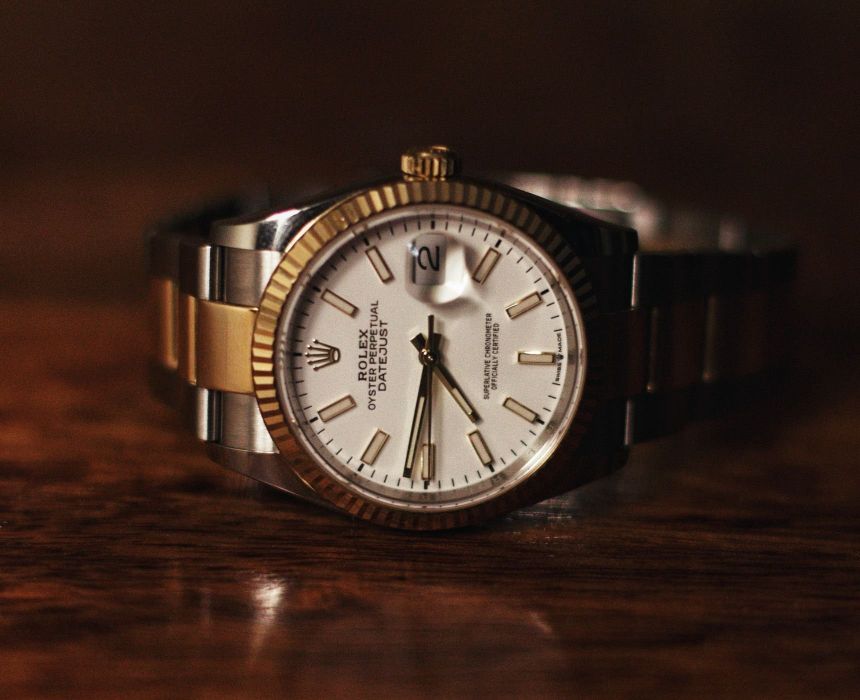
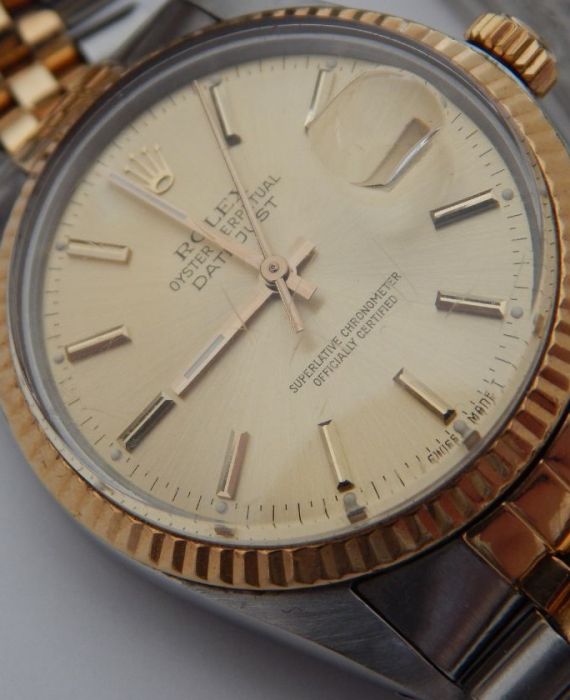
In 1933, Rolex patented a combination of gold and stainless steel called Rolesor. These are for those who can’t decide on wearing gold or silver, and the materials stay in contrast but harmonise with each other.
Oystersteel
As stated before, Rolex uses a higher grade of steel, called 904L stainless steel to make a Rolex watch. Belonging to the 904L family, Oystersteel, a steel alloy specific to the brand, this steel is particularly resistant to corrosion and holds polish very well. These steels are commonly used in high-tech, aerospace and chemical industries.
Gold
Rolex exclusively uses 18k gold, composed of 75% of pure gold plus mixtures of silver and copper to produce different colours including yellow, white, and Everose. Their gold is made in-house so they can guarantee a peerless, enchanting radiance in their Rolex gold watches.
Platinum
Platinum is scarce and is considered the most exclusive among precious metals. Rolex uses a Platinum 950 alloy to make a Rolex watch, this means that the material is 95% pure platinum. Mixed with ruthenium, a Rolex watch is not only robust but also harder and shinier. They also combine platinum 950 with Oystersteel, which creates Rolesium, and it’s seen in their Rolex Yacht-Master series.
Rolesor
In 1933, Rolex patented a combination of gold and stainless steel called Rolesor. These are for those who can’t decide on wearing gold or silver, and the materials stay in contrast but harmonise with each other.
Cerachrom
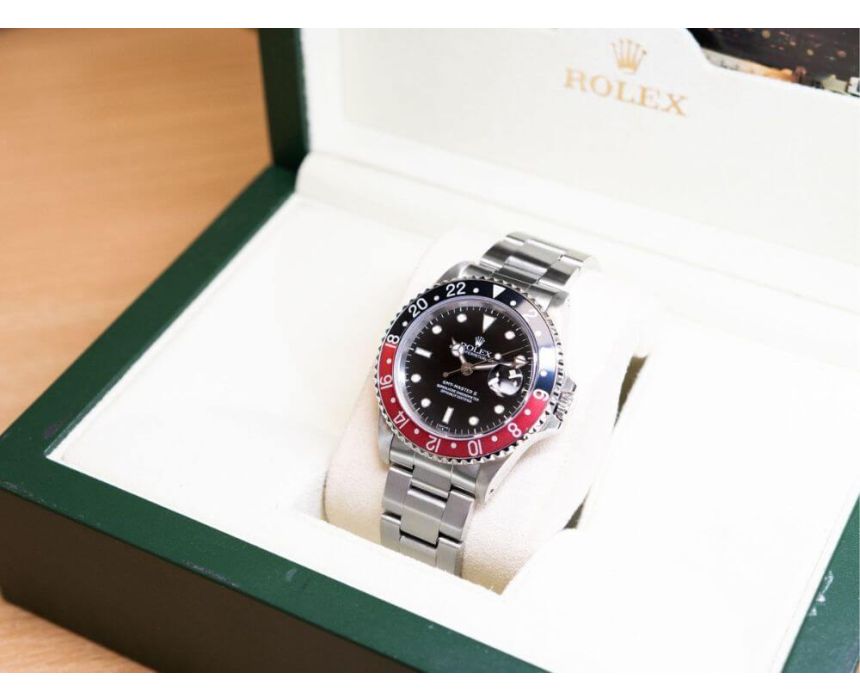
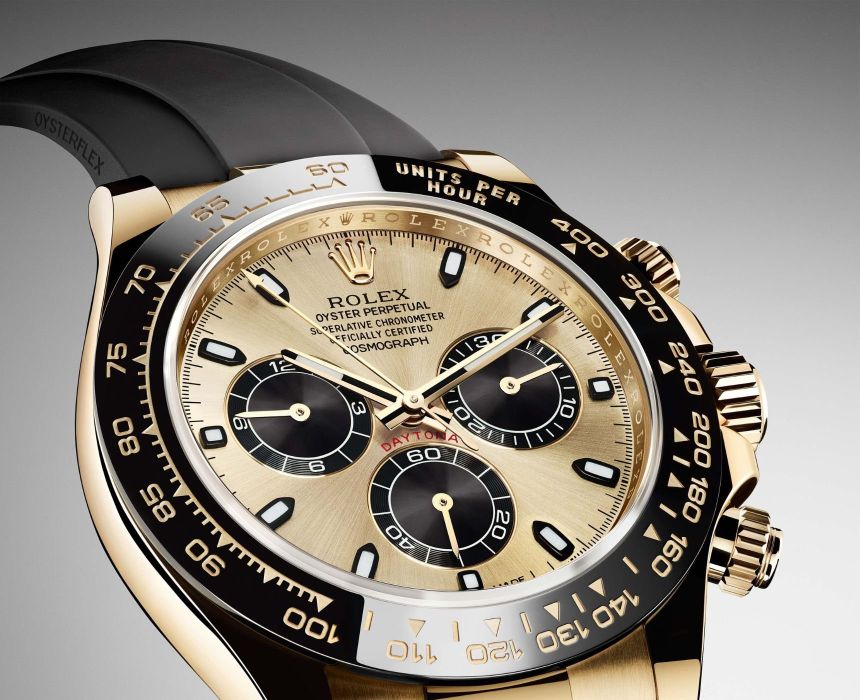
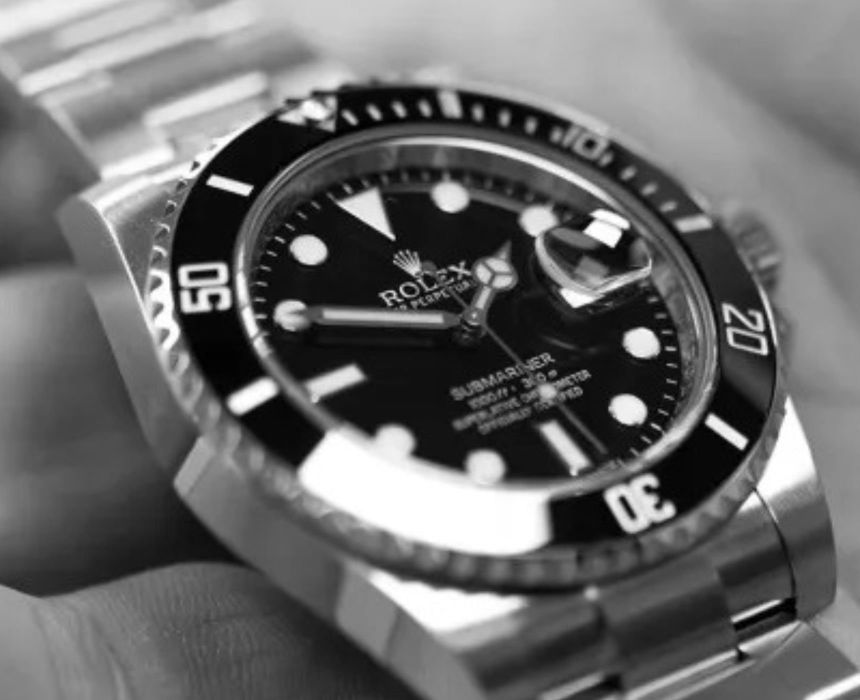
Cerachrom is the hard ceramic bezel specially developed by Rolex and patented in 2005. These bezels are usually used on selected professional models such as the GMT-Master II which was developed for pilots. This is because this material can undertake heavy pressure and environmental influences.
Precious Gems And Stones
Through unique brilliance and extreme care, Rolex uses high-quality precious stones to endow gem-set watches with prestige. They use a wide range of gems and stones including diamonds and more which go through all kinds of testing and are hand-set by jewellers.
Sapphire Crystal
And finally, the glass which protects the dial of a Rolex watch. Although glass has a nice fin-ish, it’s unsuitable for watches as it's fragile. Early Rolex watches were made with acrylic lenses that were break-proof but were prone to scratches.
In 1970, Rolex tested using sapphire crystal for the first time when making the Rolex Oysterquartz. Since then, it’s become an integral part of building a Rolex watch, the synthetic glass is scratch resistant, durable and extremely solid. It can also be polished and offers the highest gloss and brilliance that other glasses couldn’t give.
Cerachrom is the hard ceramic bezel specially developed by Rolex and patented in 2005. These bezels are usually used on selected professional models such as the GMT-Master II which was developed for pilots. This is because this material can undertake heavy pressure and environmental influences.
Precious Gems And Stones
Through unique brilliance and extreme care, Rolex uses high-quality precious stones to endow gem-set watches with prestige. They use a wide range of gems and stones including diamonds and more which go through all kinds of testing and are hand-set by jewellers.
Sapphire Crystal
And finally, the glass which protects the dial of a Rolex watch. Although glass has a nice fin-ish, it’s unsuitable for watches as it's fragile. Early Rolex watches were made with acrylic lenses that were break-proof but were prone to scratches.
In 1970, Rolex tested using sapphire crystal for the first time when making the Rolex Oysterquartz. Since then, it’s become an integral part of building a Rolex watch, the synthetic glass is scratch resistant, durable and extremely solid. It can also be polished and offers the highest gloss and brilliance that other glasses couldn’t give.
How Long Does It Take To Make A Rolex Watch?
With extensive watchmaking and in-depth research, hand-making, assembling and testing to ensure luxury quality, it’s no surprise that the process of manufacturing a Rolex watch would take a long time. According to Rolex, it takes about a year to make a single Rolex watch, which makes sense with the entire company focused on producing the best products on the market.
And during the time of creating luxury timepieces, they are continually trying to find out ways to make their watches better. They are always about evolution and improving vs changing.
How Many Rolexes Are Made A Year?
With the entire watch-making process from start to finish, it can take a whole year to make a watch, but keep in mind that they are mass researching, building and assessing several watches at once. From this, Rolex makes almost a million watches a year. With large manufacturing sites and several professionals working around the clock to make sure every single Rolex watch made is built with quality and precision.
And during the time of creating luxury timepieces, they are continually trying to find out ways to make their watches better. They are always about evolution and improving vs changing.
How Many Rolexes Are Made A Year?
With the entire watch-making process from start to finish, it can take a whole year to make a watch, but keep in mind that they are mass researching, building and assessing several watches at once. From this, Rolex makes almost a million watches a year. With large manufacturing sites and several professionals working around the clock to make sure every single Rolex watch made is built with quality and precision.
How Much Does It Cost To Make A Rolex?
Although Rolex hasn’t shared exactly how much it costs them to make and produce a Rolex watch, we can imagine that making a Rolex would cost thousands. They have an extensive pro-cess to research, make and build the perfect watch and materials, and then the testing. All of this plus sourcing and making higher grade steel, their own gold and precious metals and gems, as well as all their professional scientists, technicians and more.
With all of the manpower it takes to make a Rolex watch, the expertise needed, and the length of time it takes, it’s no wonder why Rolex watches are expensive. But you are receiving a watch with the perfect luxury precision of the Rolex brand. Buying a Rolex watch can be a great investment, this is why here at Ramsdens Jewellery, we stock pre-owned Rolex watches and other second hand watches.
With all of the manpower it takes to make a Rolex watch, the expertise needed, and the length of time it takes, it’s no wonder why Rolex watches are expensive. But you are receiving a watch with the perfect luxury precision of the Rolex brand. Buying a Rolex watch can be a great investment, this is why here at Ramsdens Jewellery, we stock pre-owned Rolex watches and other second hand watches.
RAMSDENS RECOMMENDS